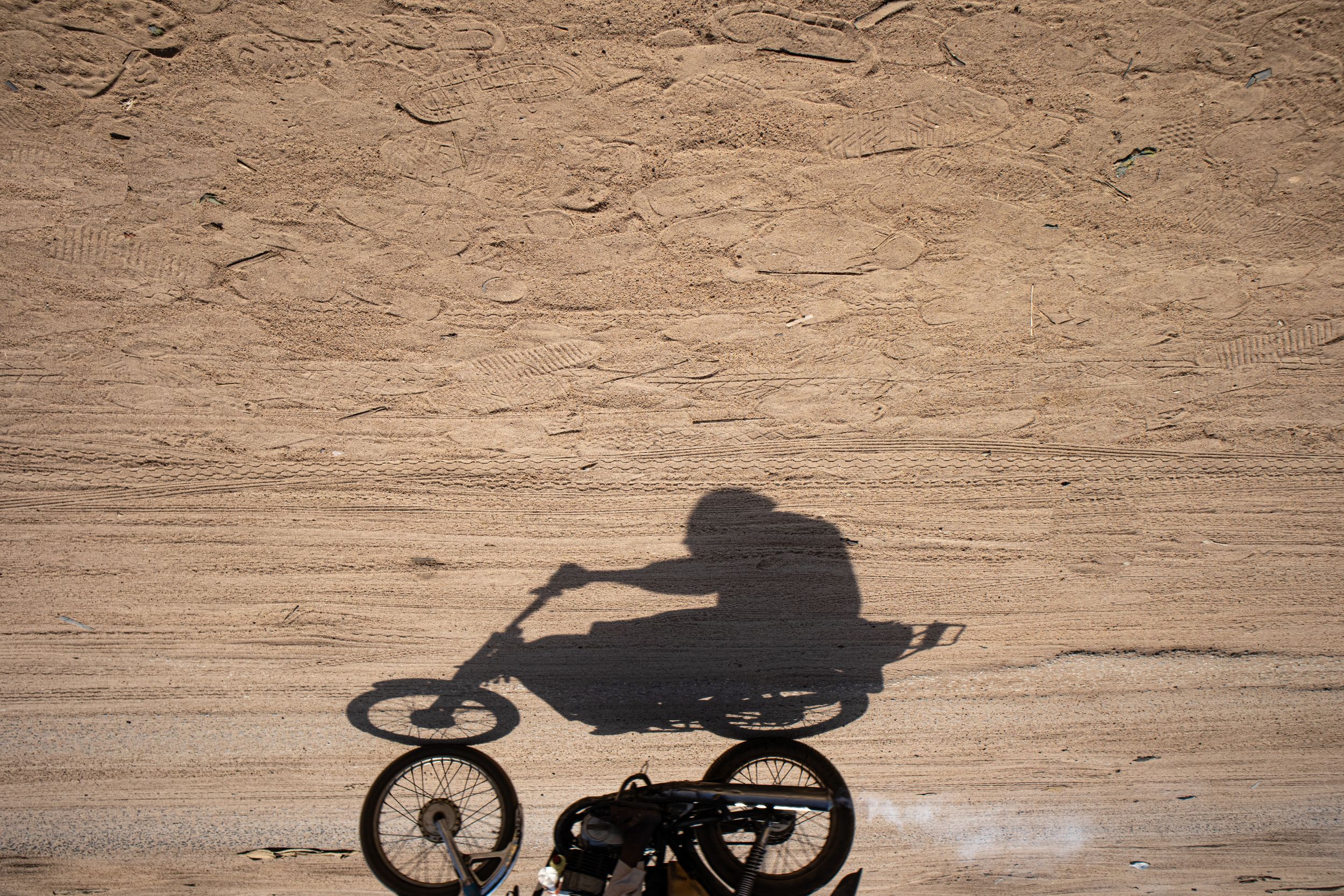
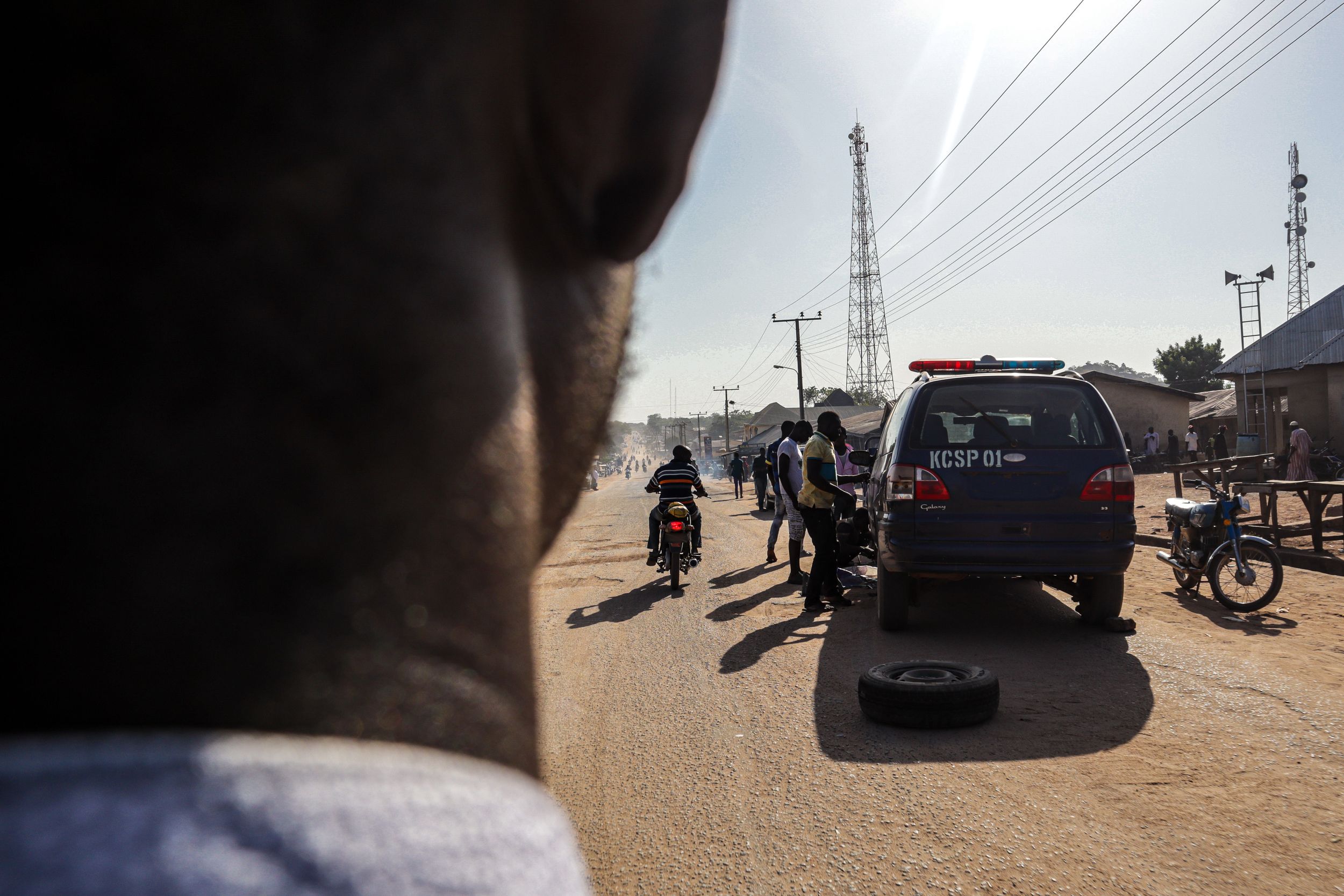
The dusty road stretched on for miles, sweat rolls had made their way to my camera’s viewfinder—.
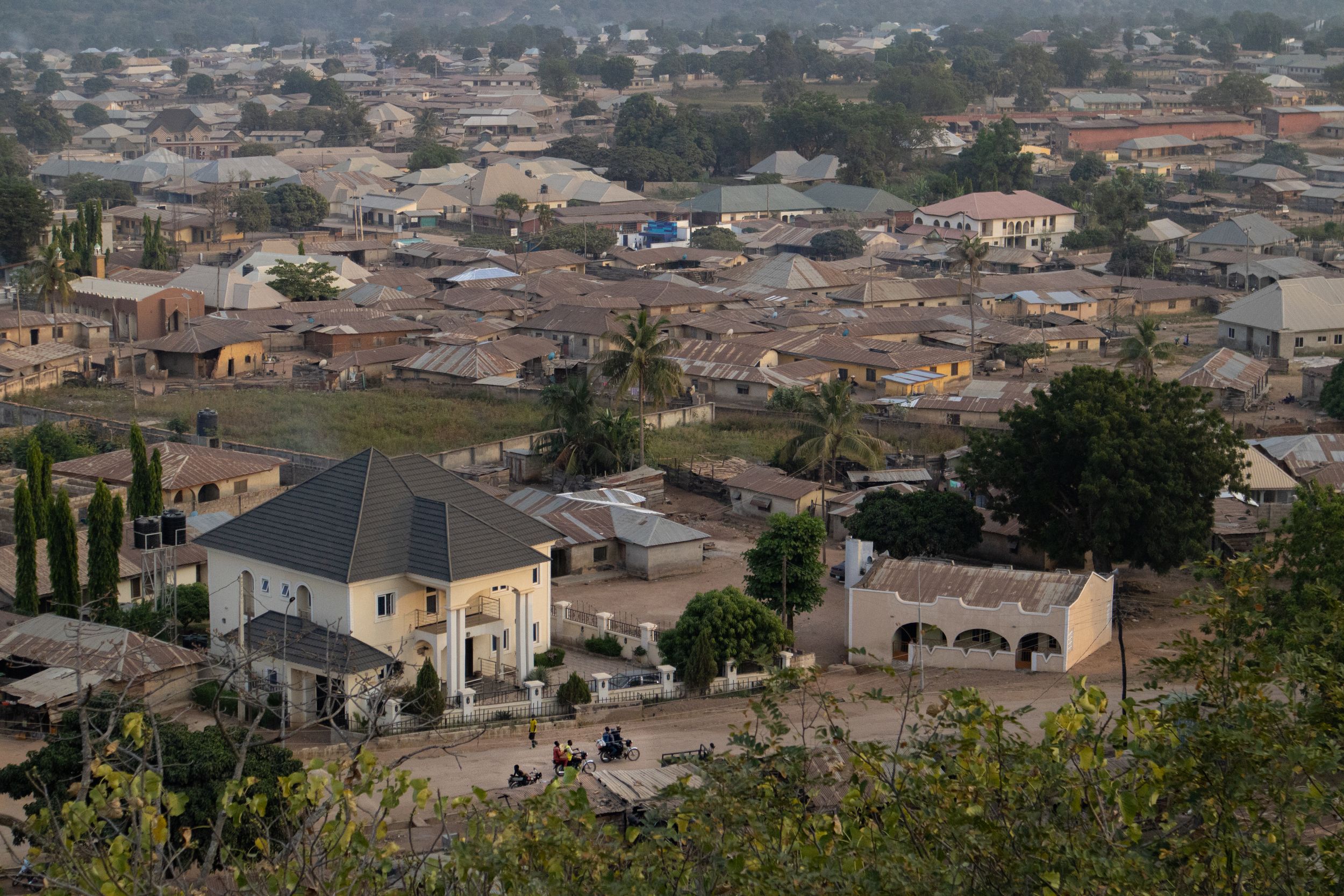
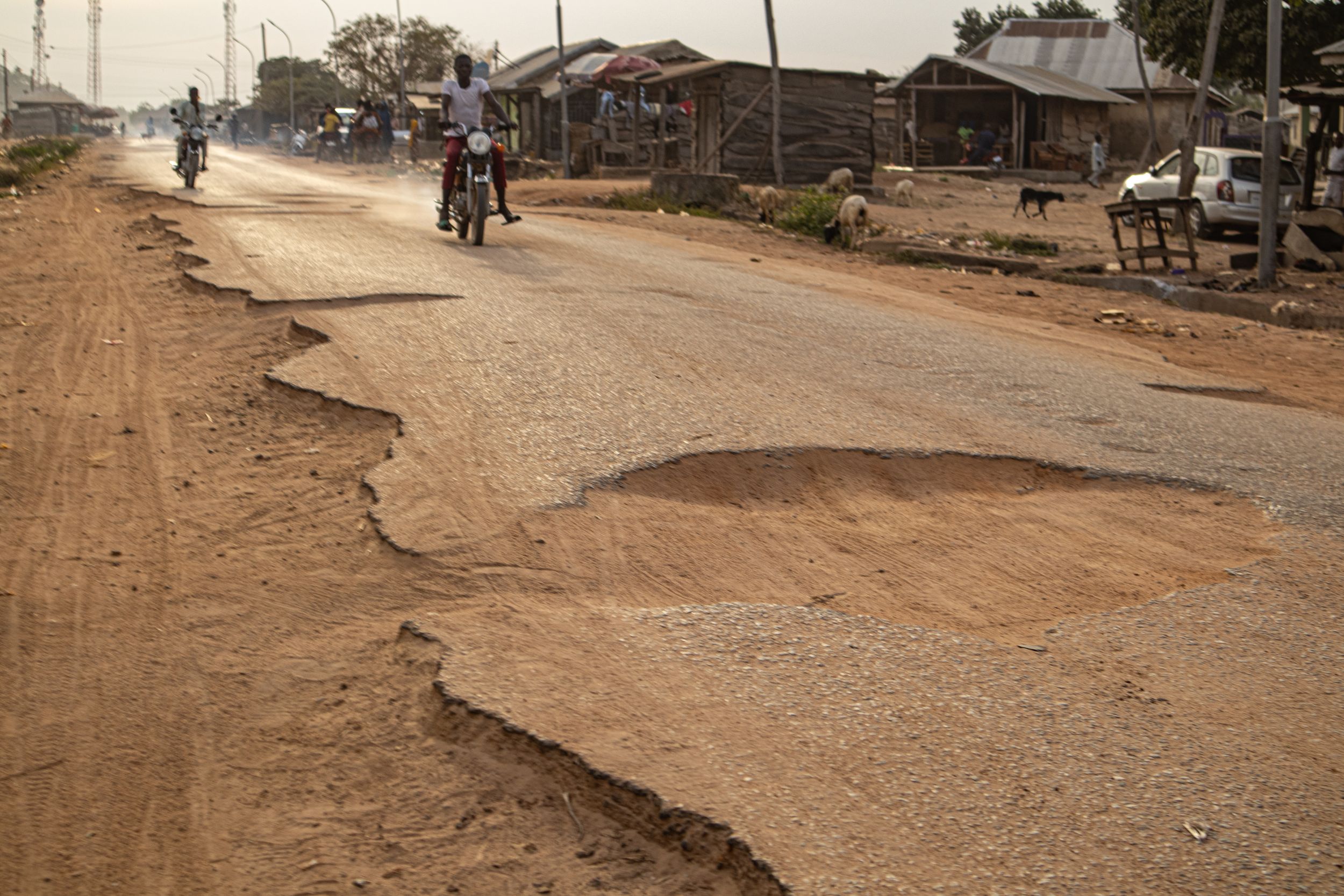
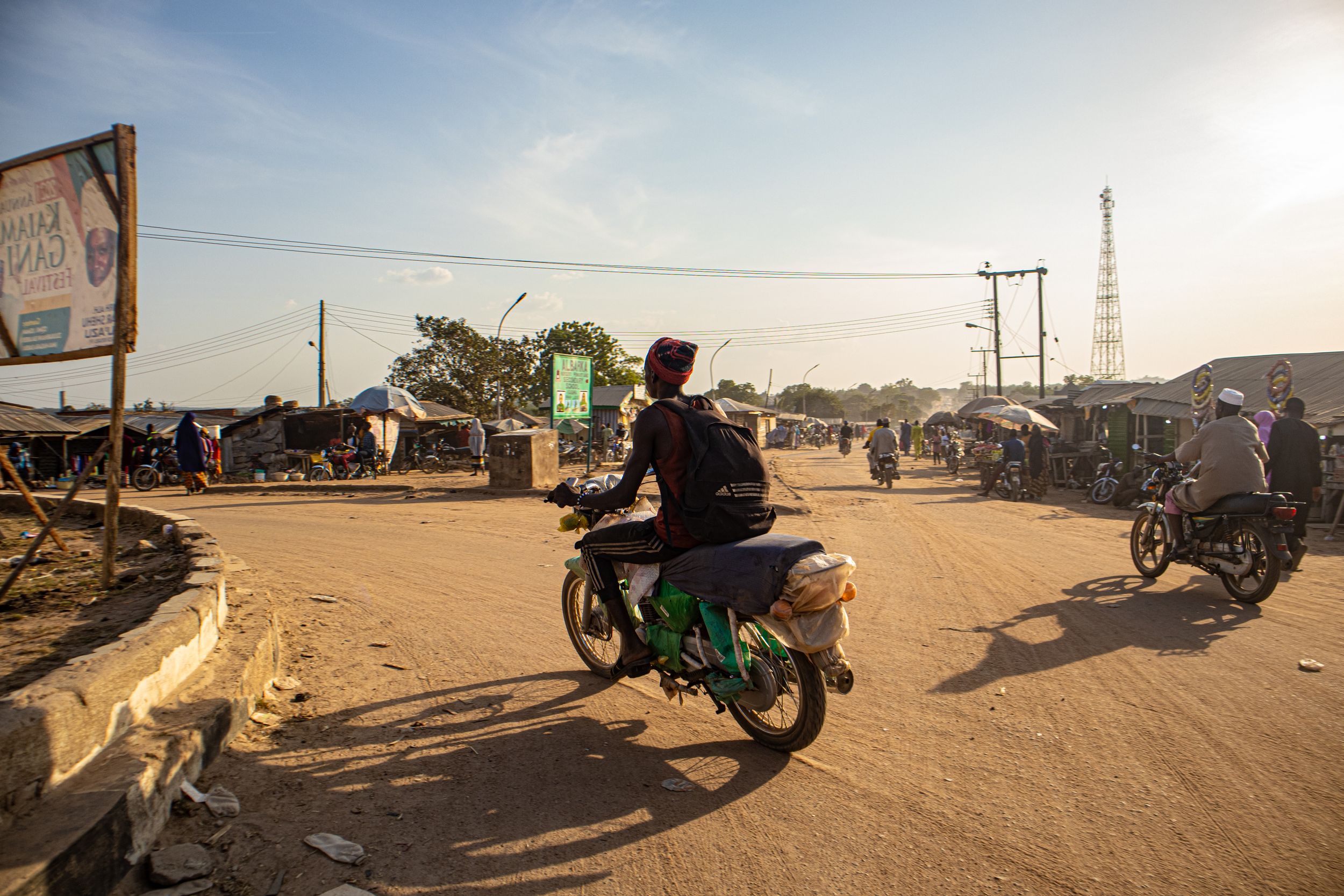
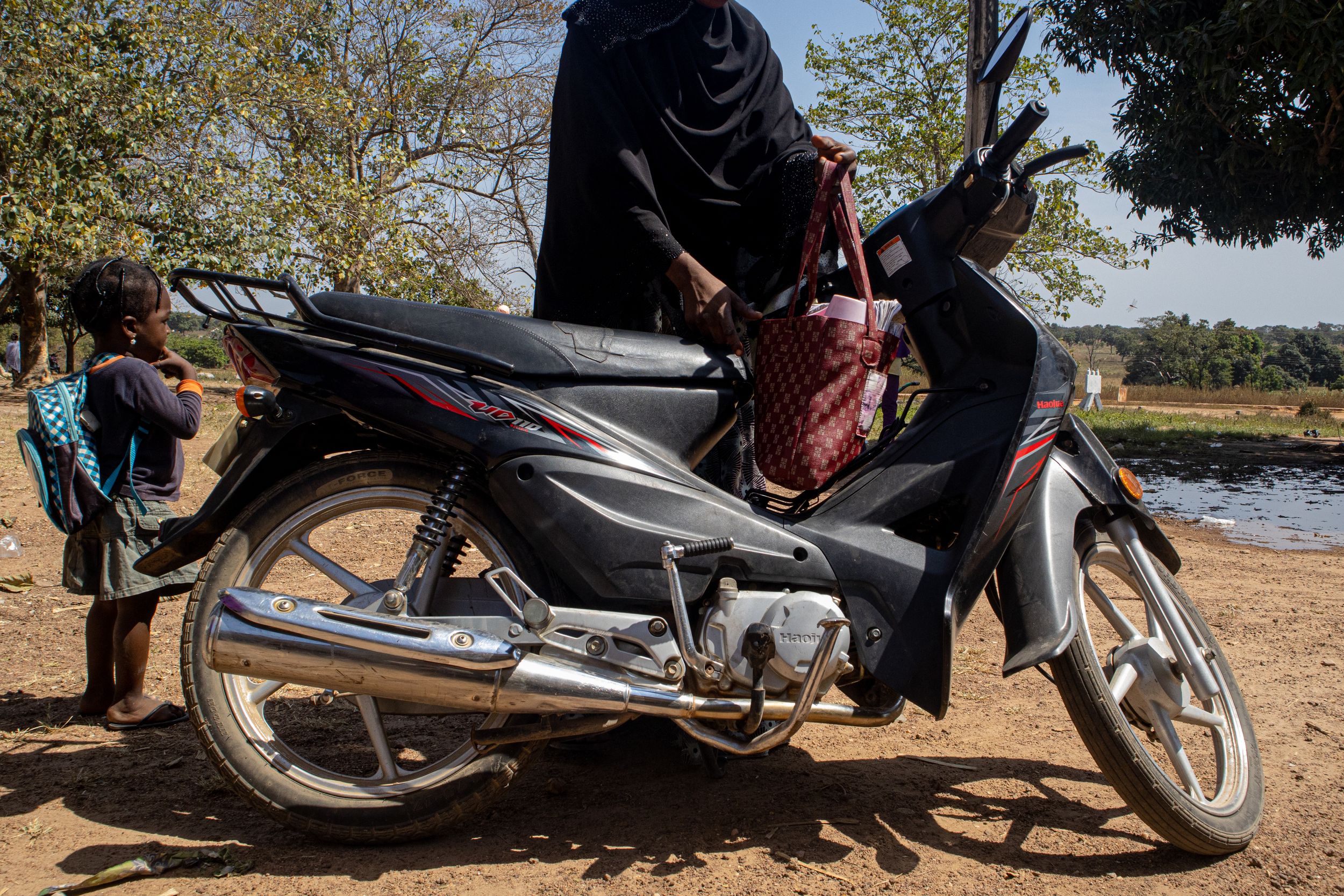
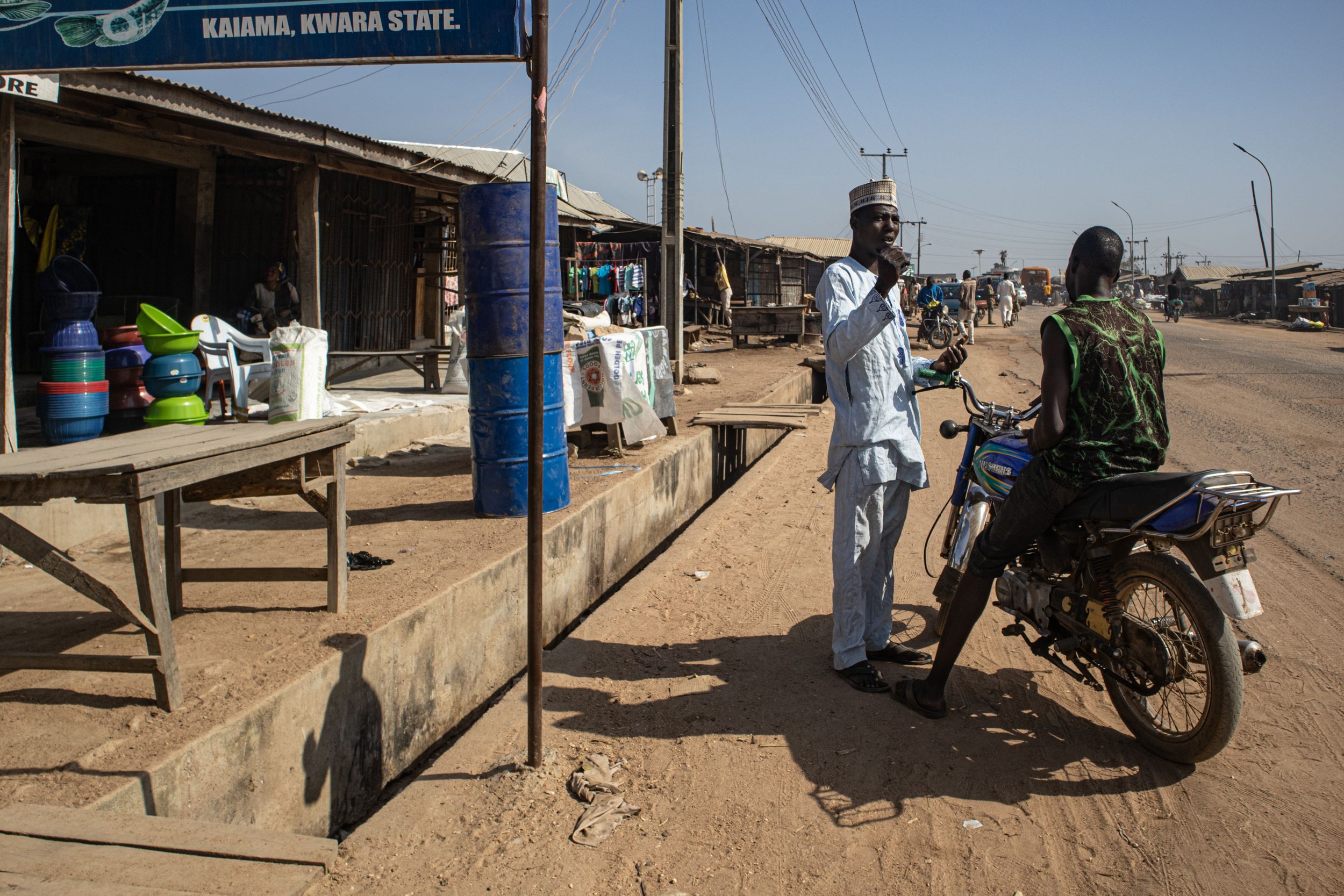
Kaiama is a settlement in north central Nigeria. The community is known for its rurality like most local provinces in Nigeria, the infrastructure and road network of this community are in a bad state. The settlers look to improvise means to get anywhere. Human and farm products are transported mostly by the popular two-wheeled motorcycles which mostly create one of the Greenhouse gases and this affects climate change and even causes respiratory disease, all of this came to my head when I saw how they move even in a very dusty environment.
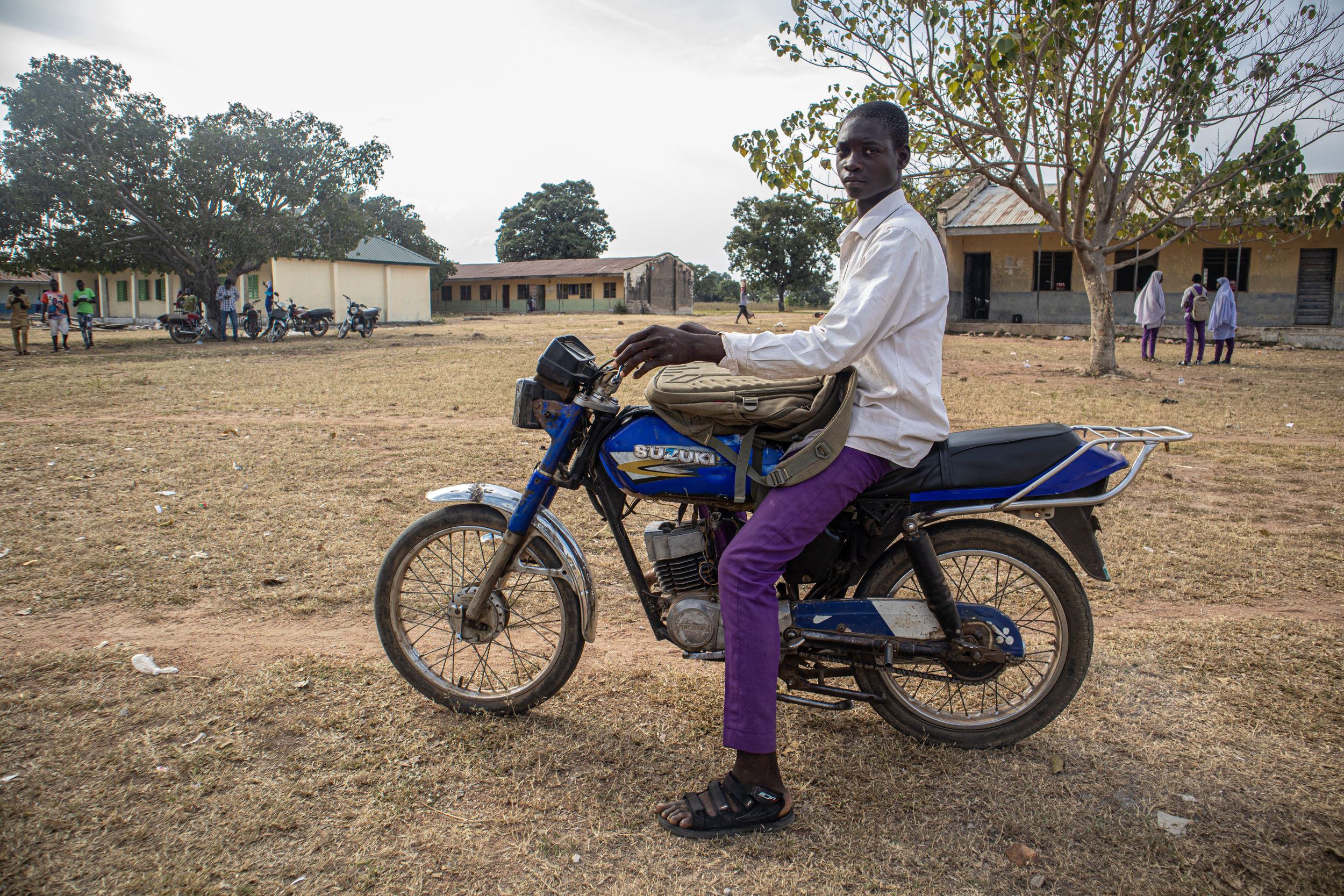
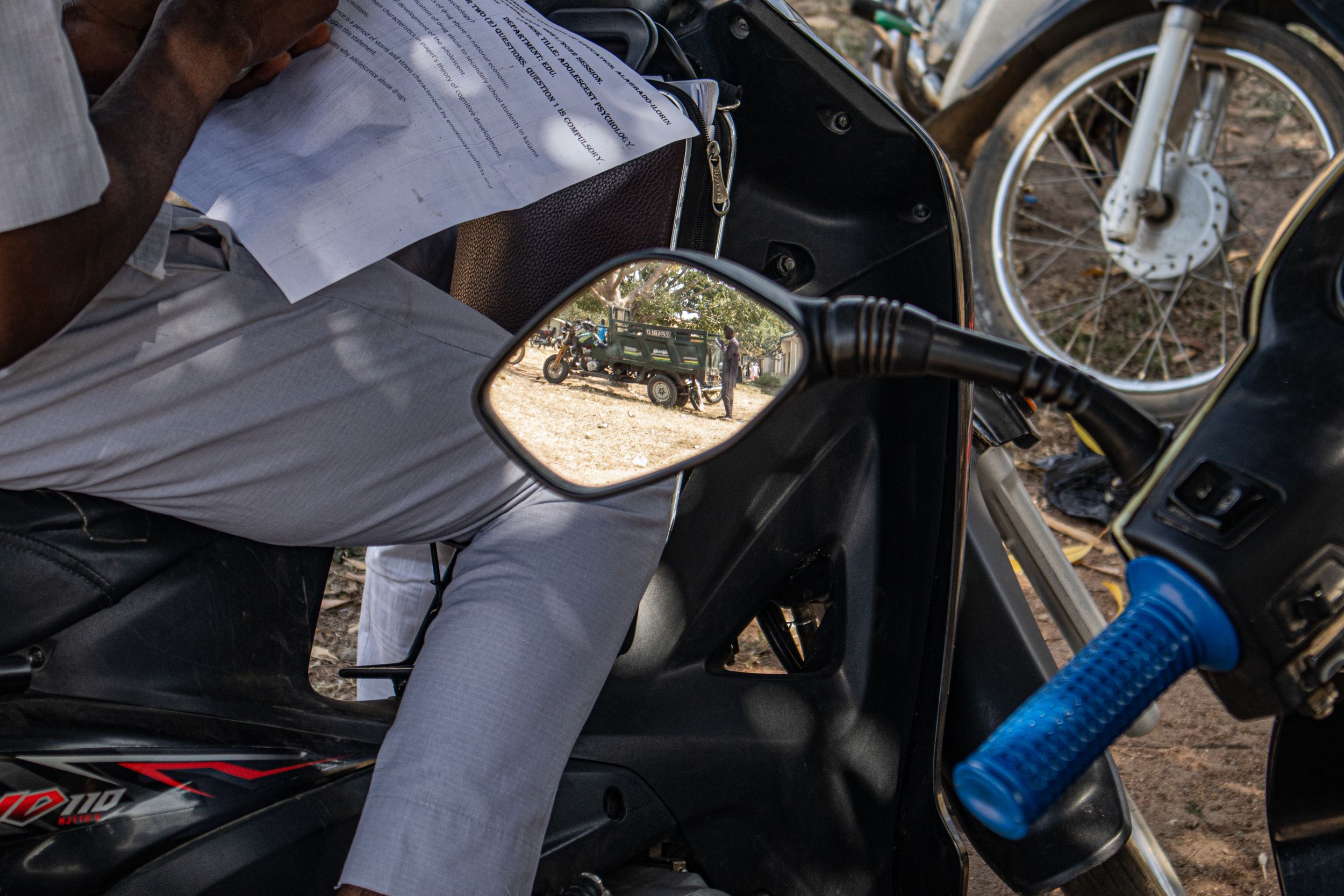
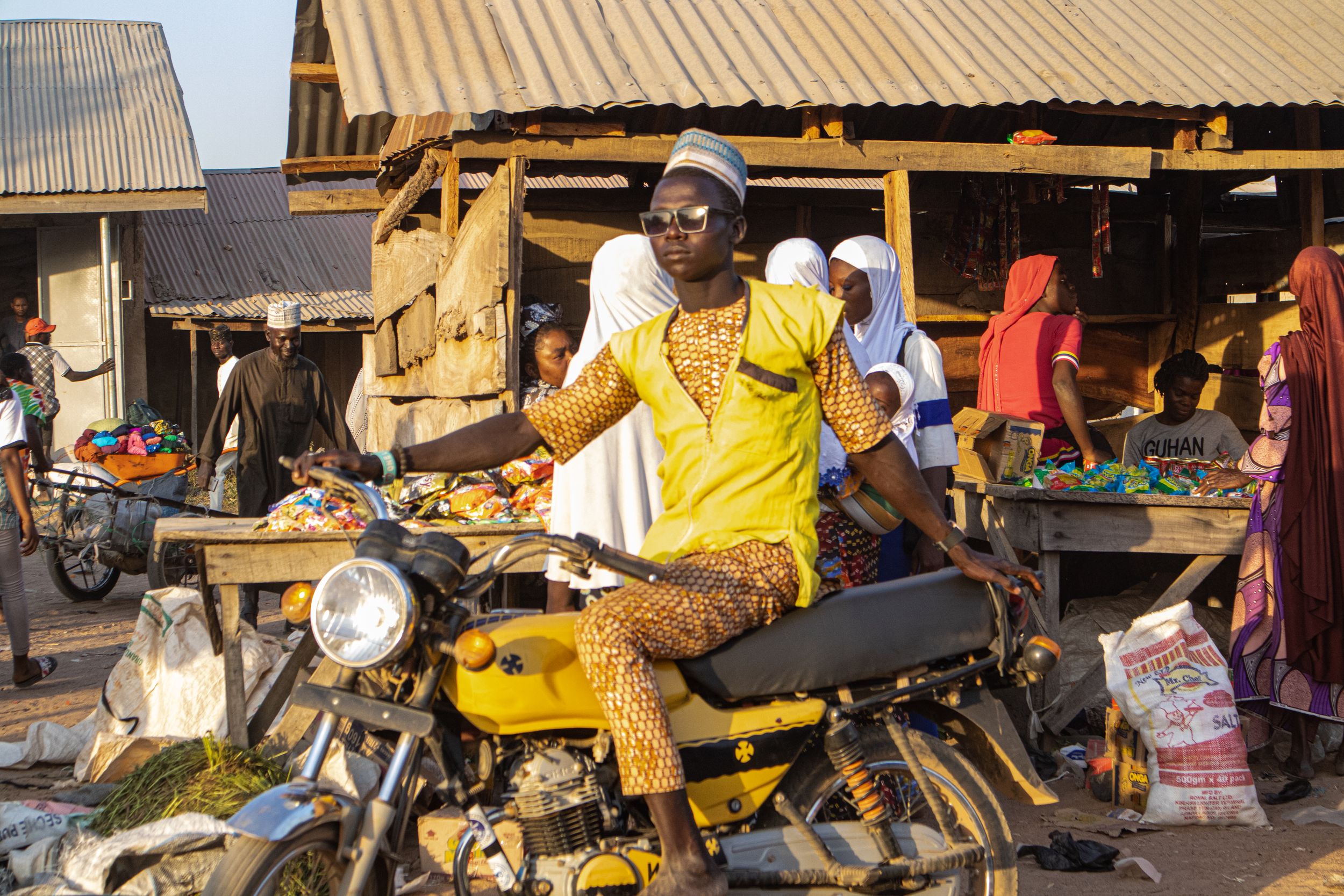
In Kaiama, motorcycles are rampant and both males and females use this means to get to their destinations. The striking balance of female riders with that of their male counterpart’s model on the subsistent farm-based culture. Most human-related activities in Kaiama are gender-equally based except in the hierarchy of leadership, where religion and culture are two submissive factors.
The people of Kaiama are fond of their motorcycles and their subsistent farming, most of the motorcycles are privately owned and non-indigenes visiting are left to their own devices. Although some of the indigenous settler’s commune visitors at their discretion; that requires the visitor to wait on a long dusty road, hoping for a motorcycle hitchhike. While documenting, my mind pondered on the effect a good road system will have on transporting and even reducing air pollution in the aspect of reducing dust in the air.