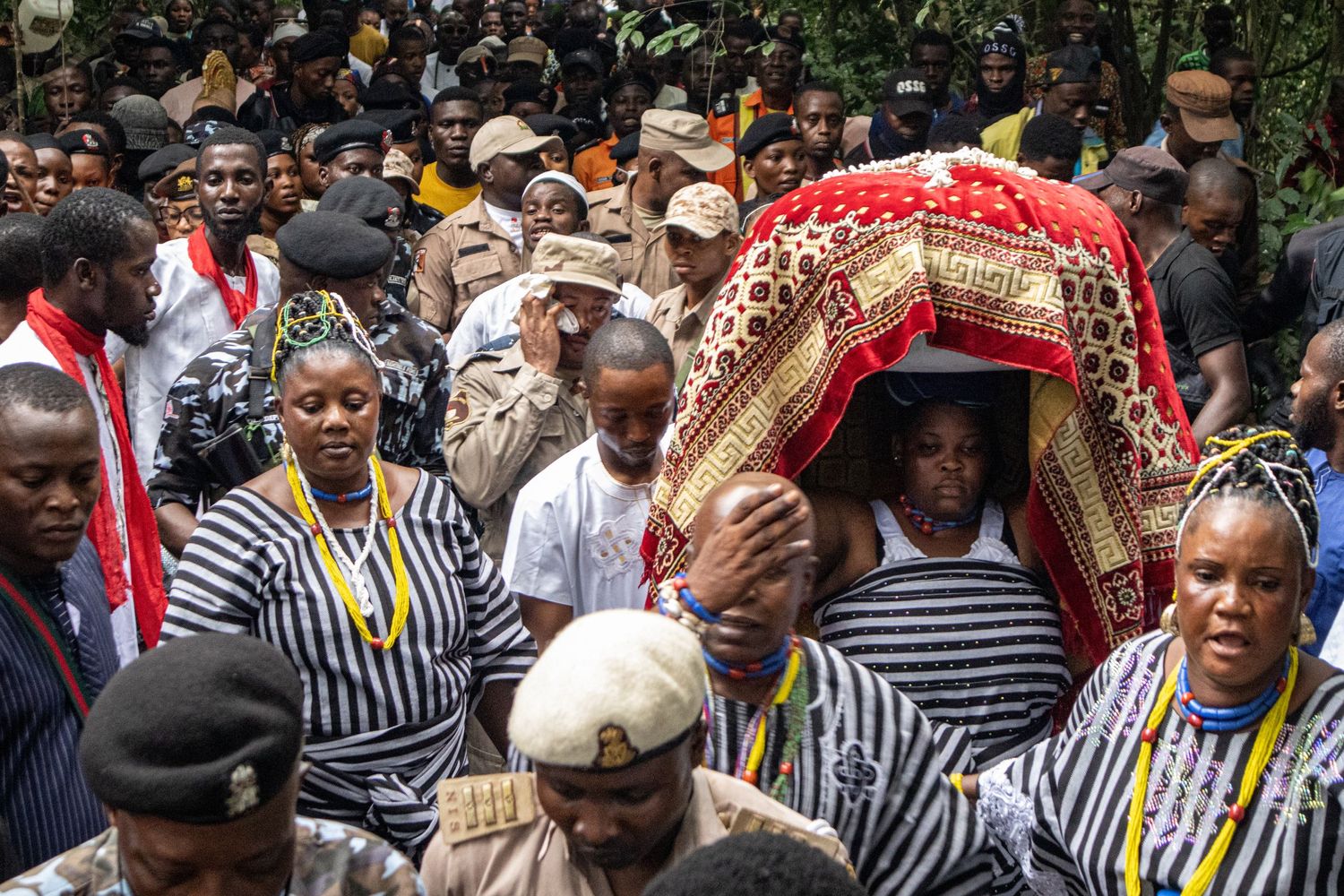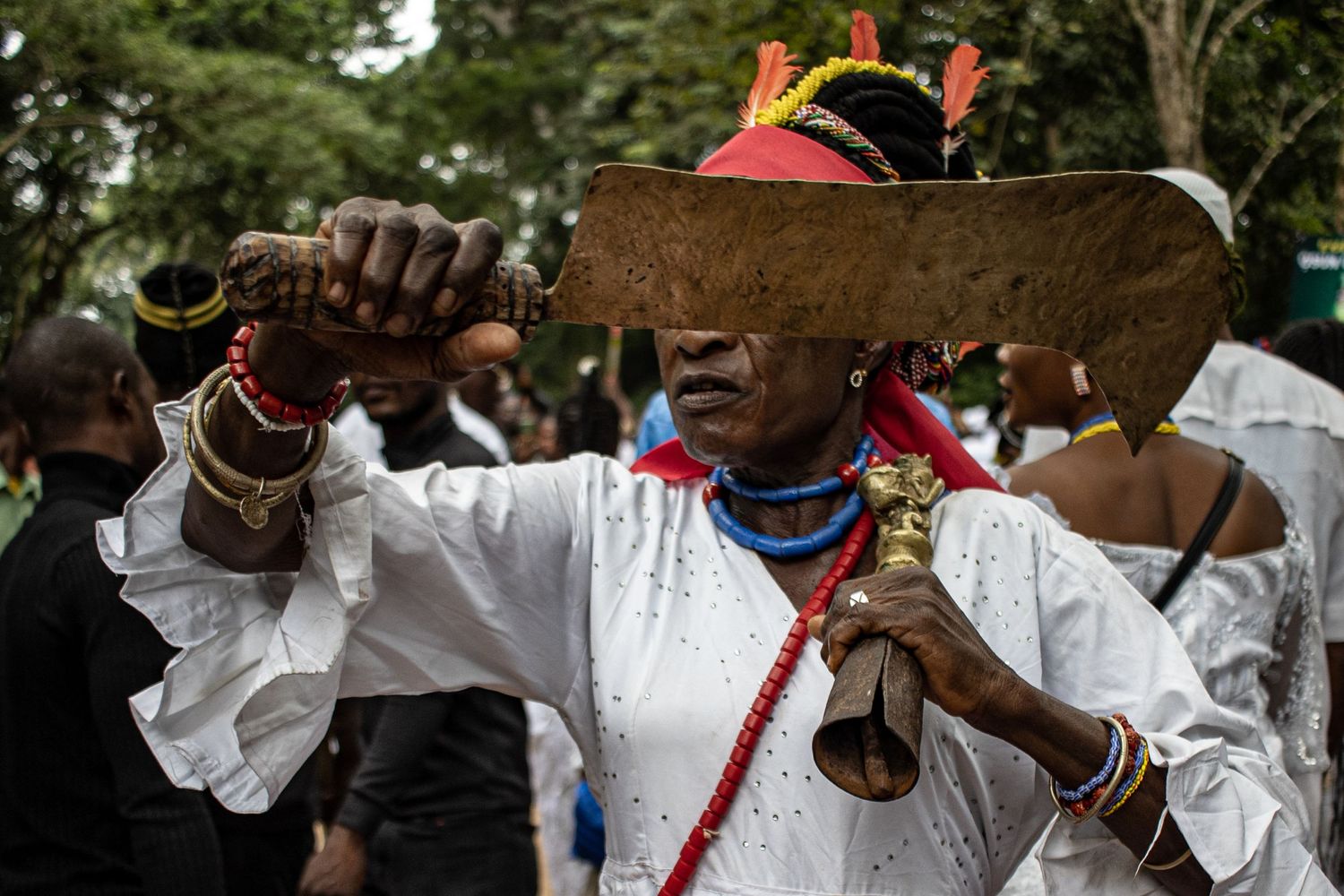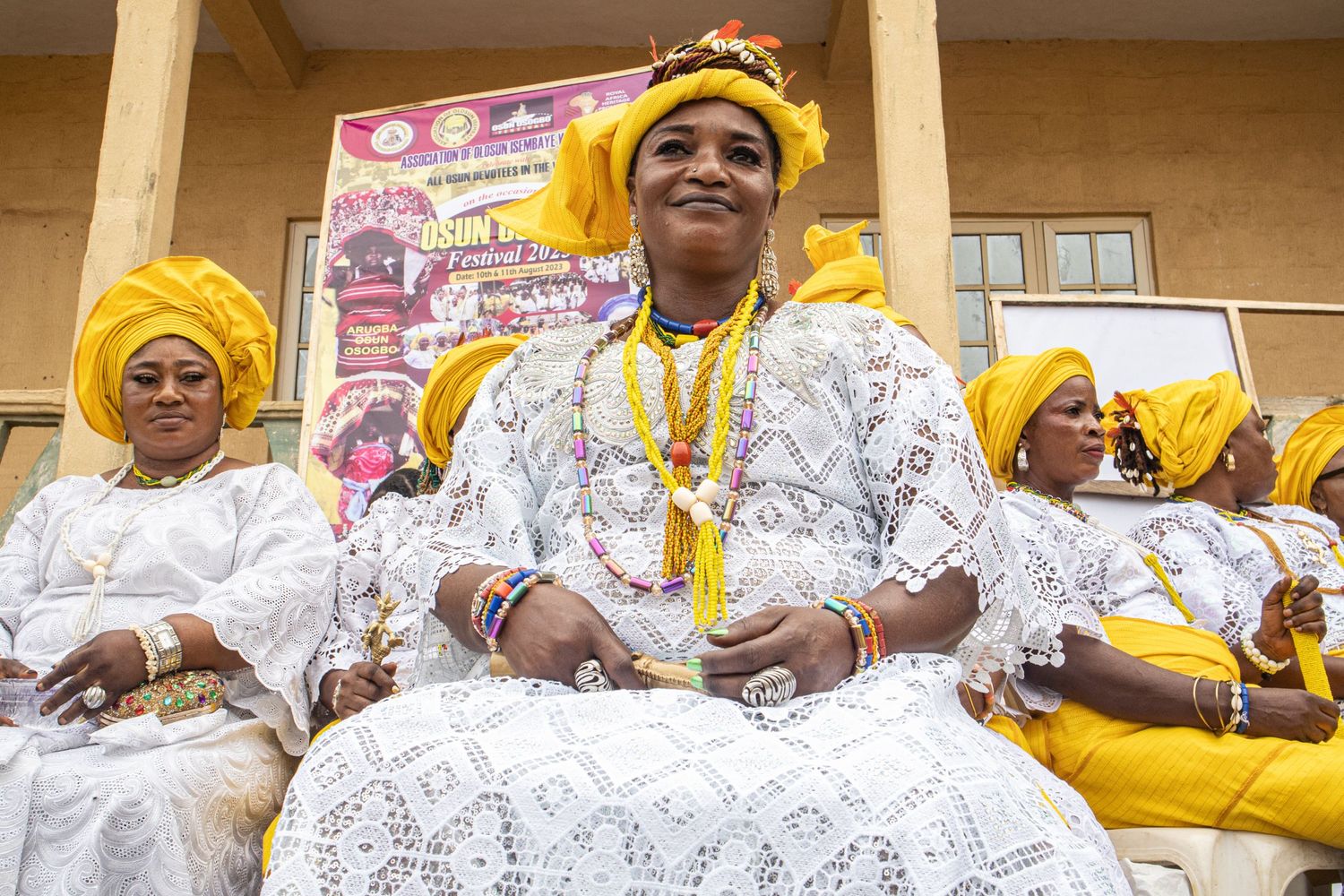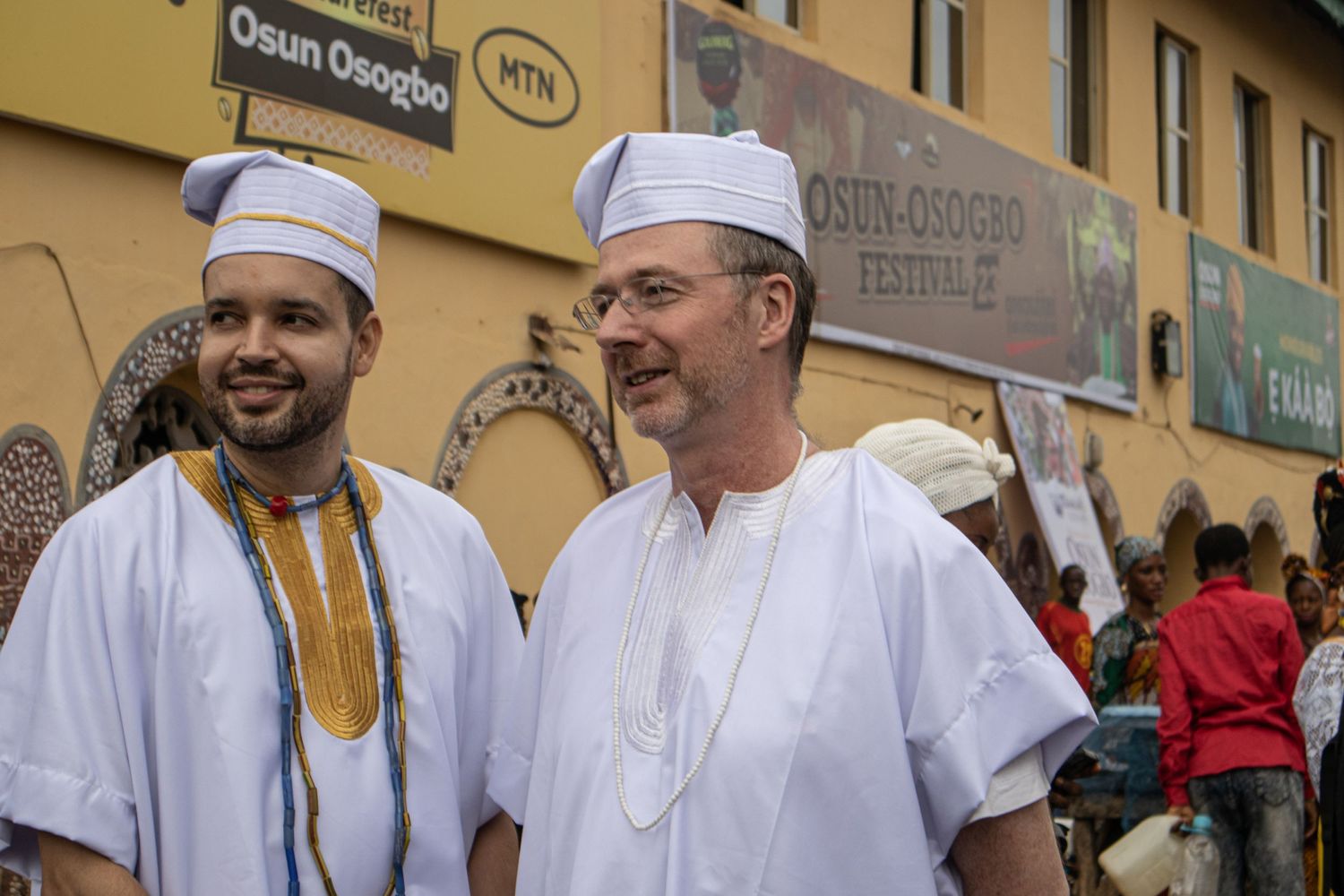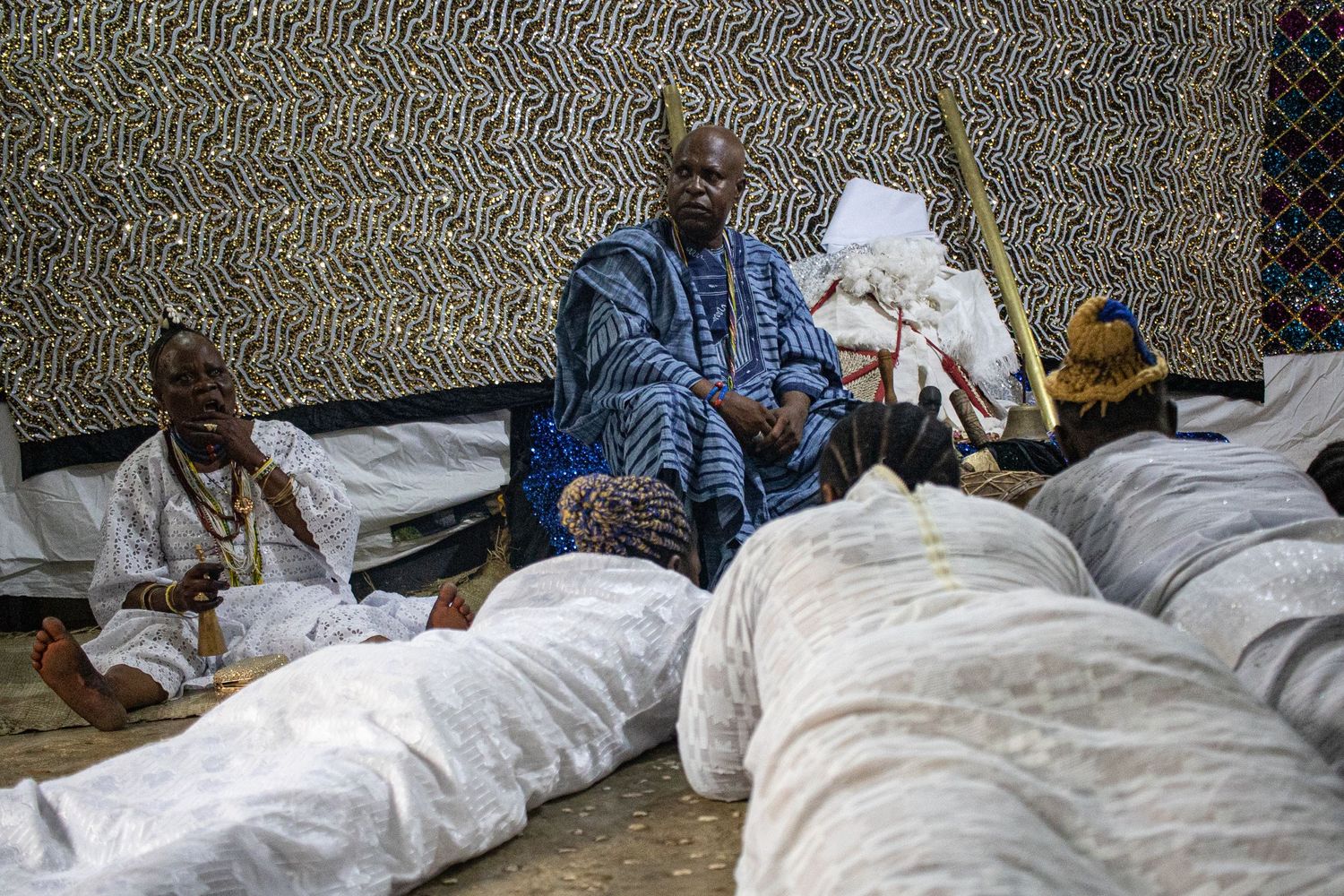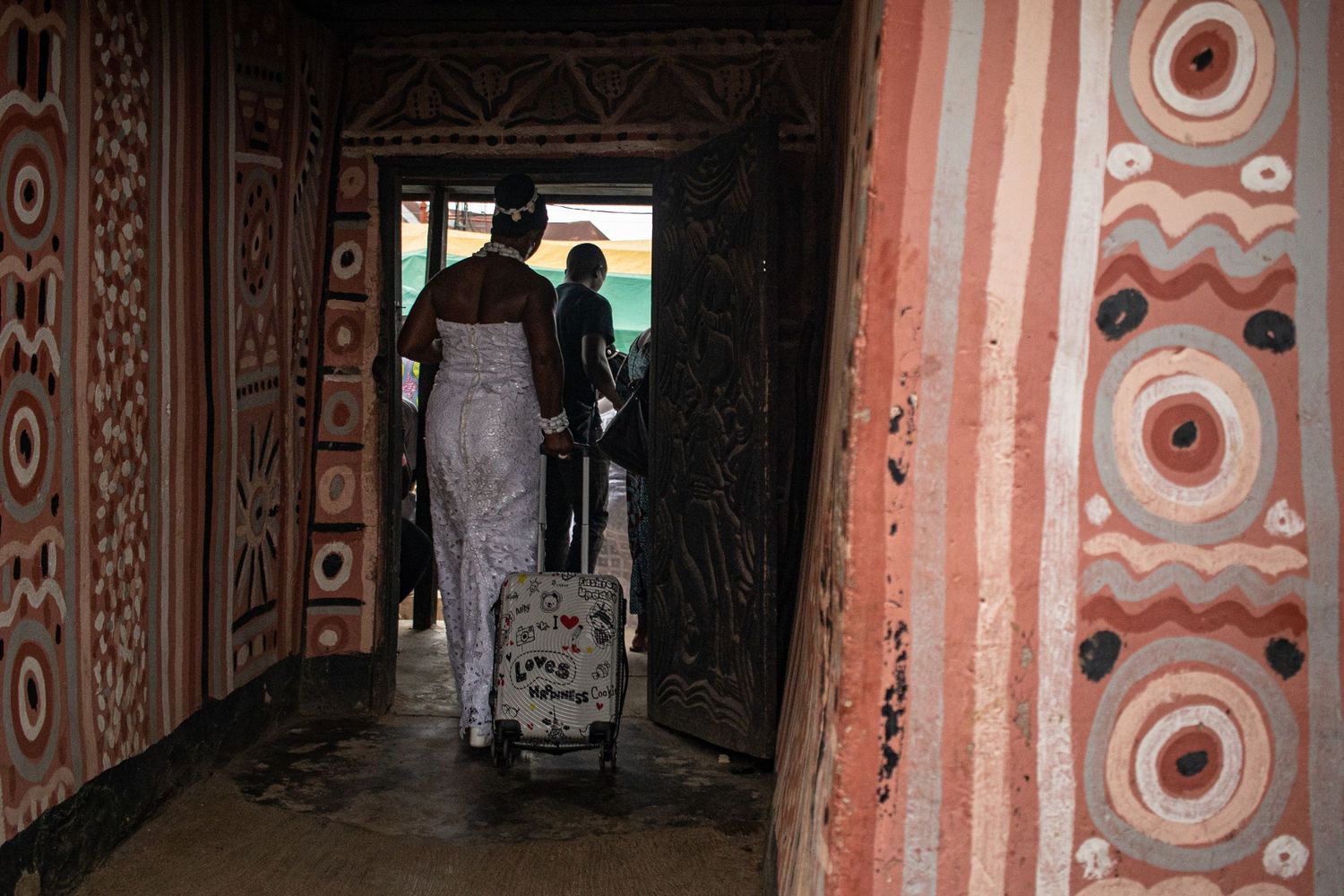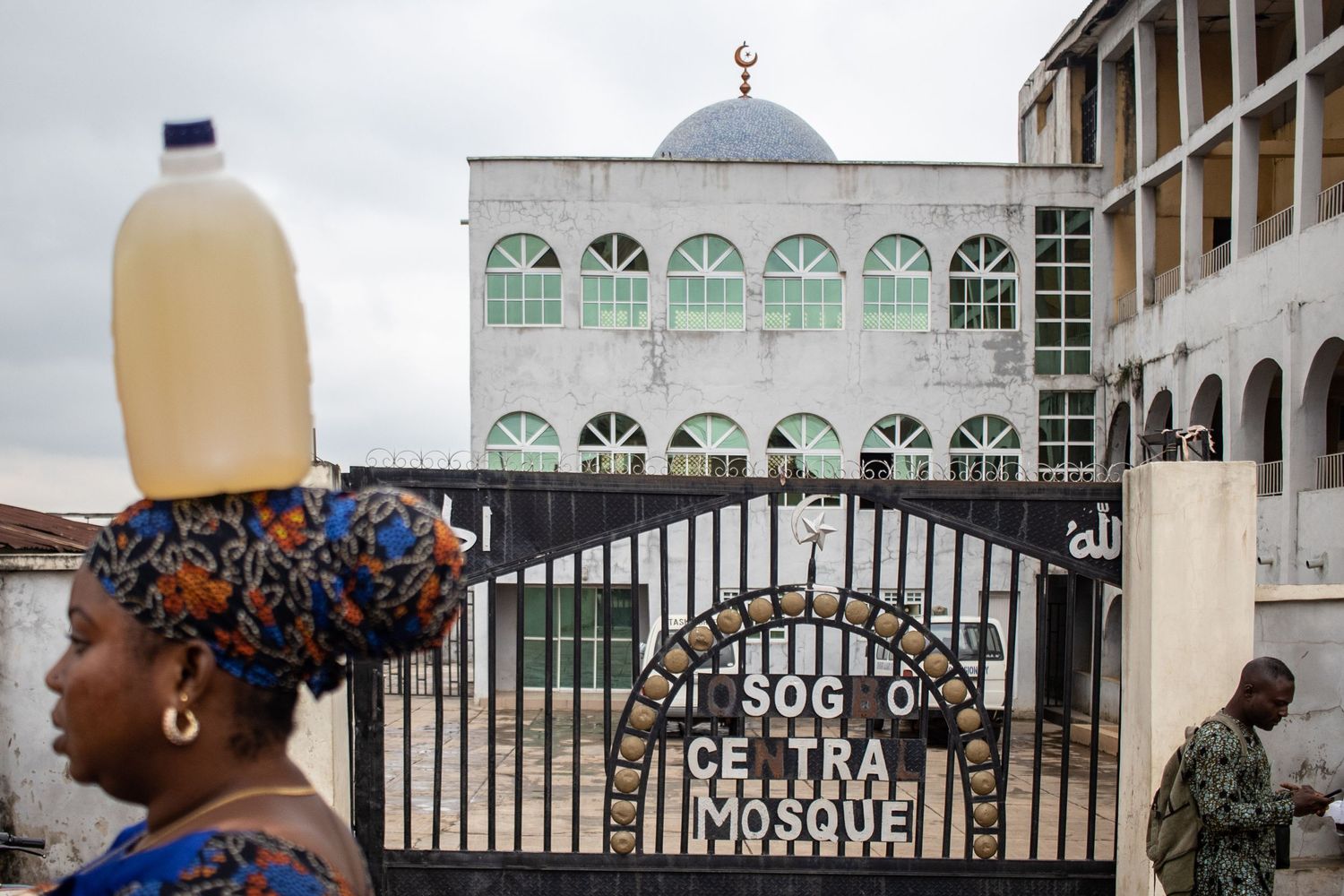
A profound song echoes through the depths of our souls in the magnificent fabric of human existence, where the threads of religion and spirituality meet. Born into a mixed Muslim-Christian(Mus-Chris) family, I was given the chance to choose between this sacred dichotomy, I witnessed the ethereal beauty of two distinct spiritual paths intertwining, like rivers converging into a vast ocean, they are the two most populous religions in the world. However, I found myself drawn to the indigenous religion of Africa, a way of life practised since the dawn of African existence. In Yoruba lands, this religion has intercessors called Orishas, akin to Jesus and Mohammed in Christianity and Islam.
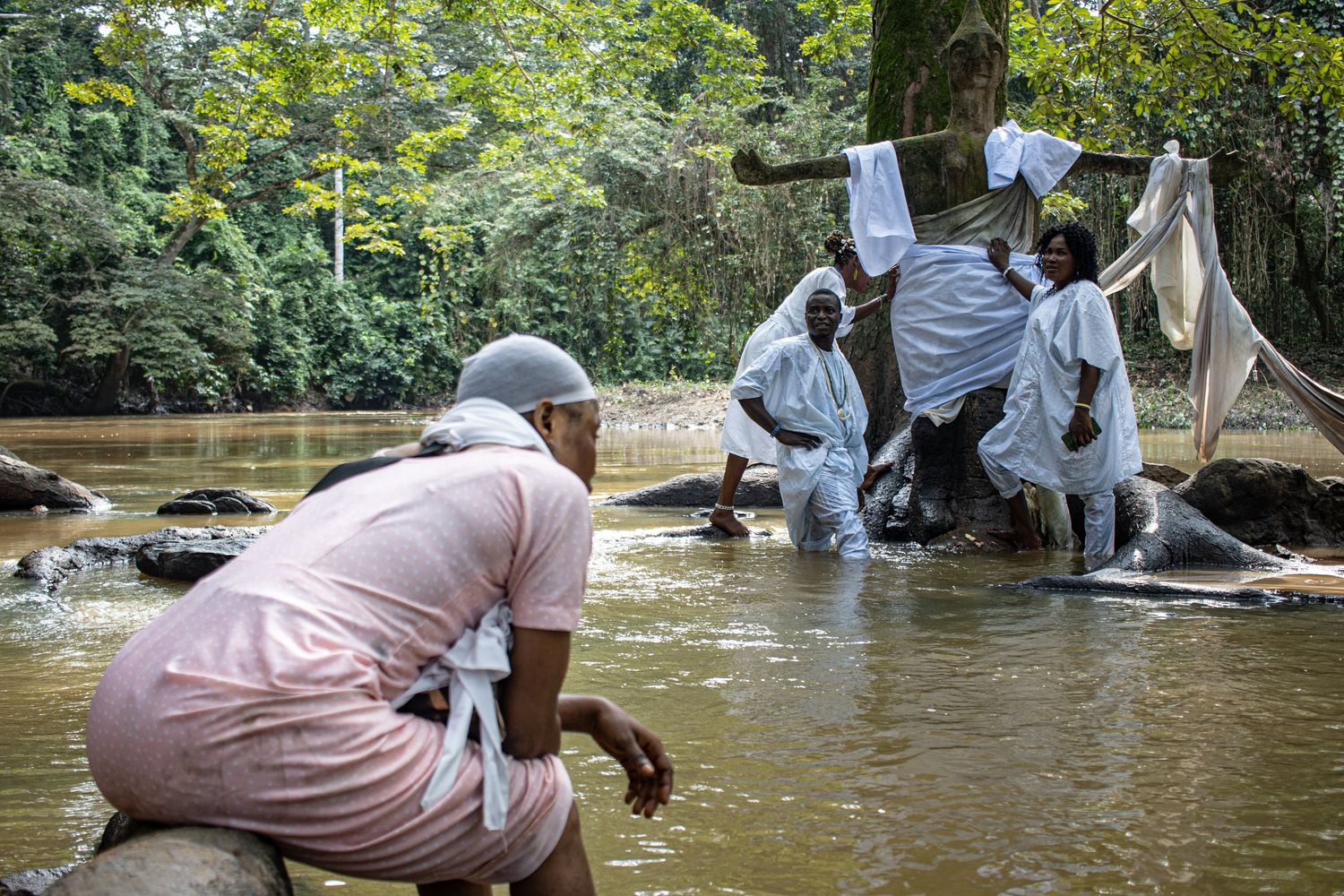
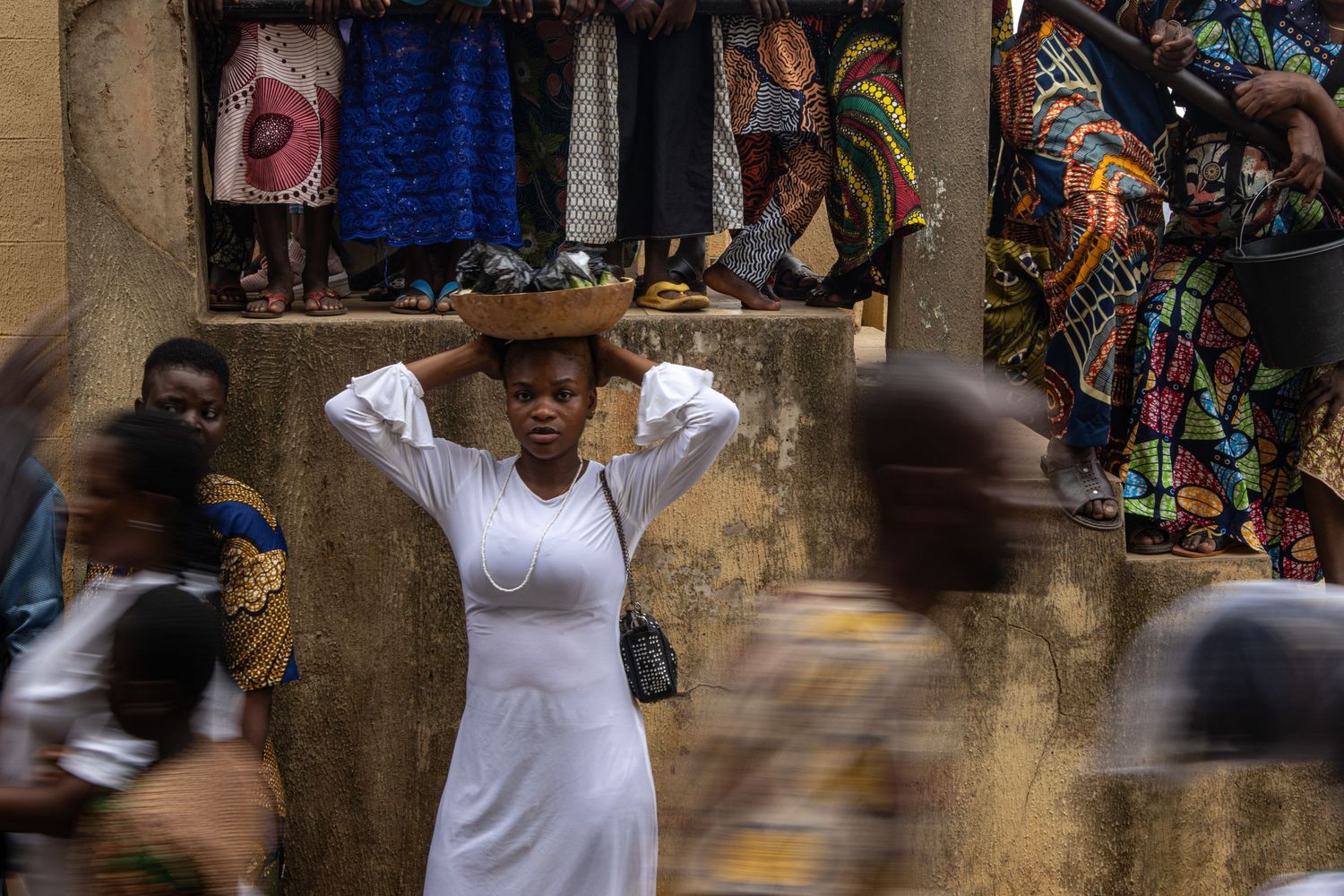
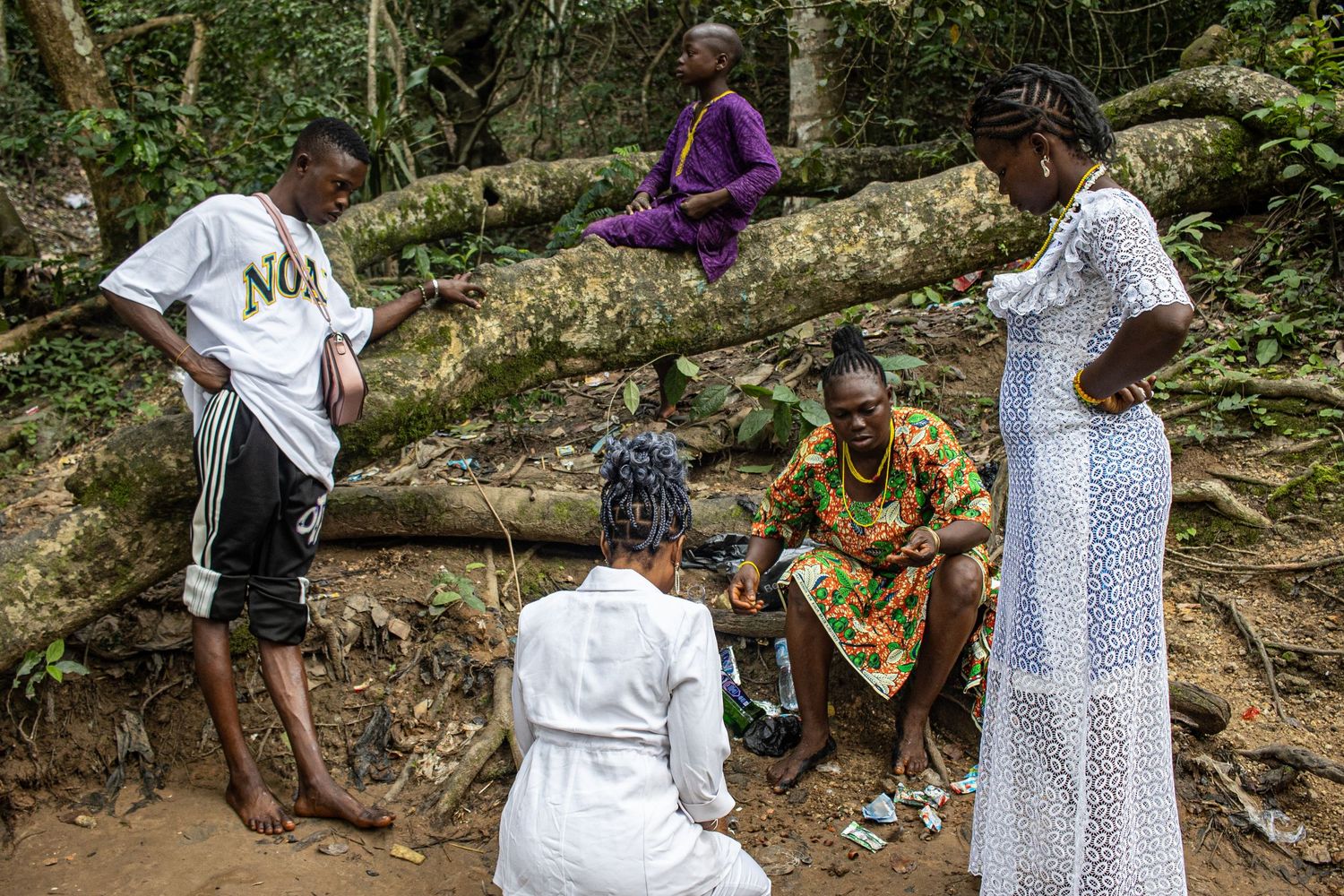
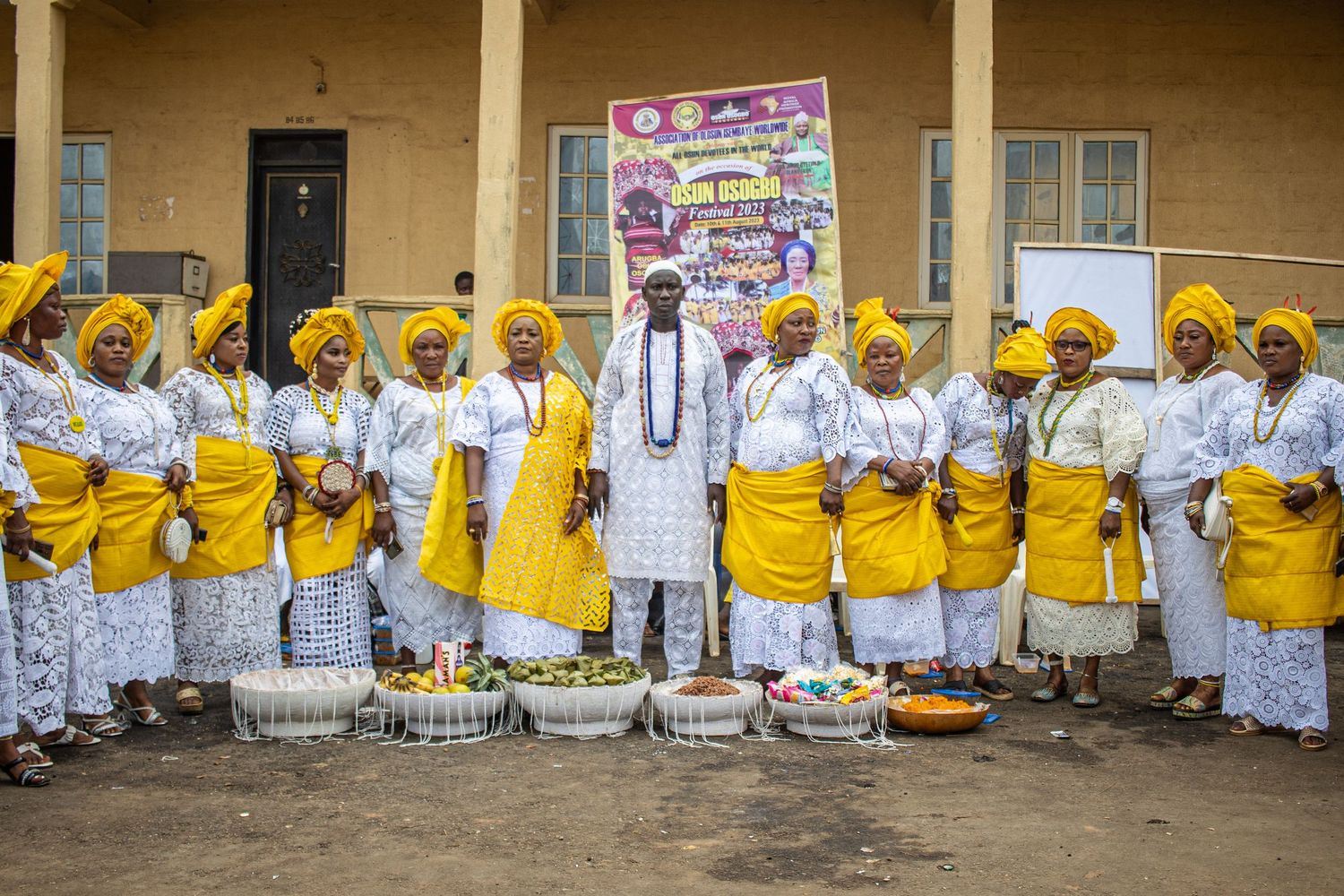
Osun or Oshun, being one of the original 17 sent to Earth by Eledumare, was the only female deity(Orisha). Osun was the most influential one by demonstrating to the remaining Orısa that without her ase (power or life force), their mission could not succeed. Her mortal lifestyle brought about The roots of the Osun Festival which extended deep into the annals of history, tracing back to the early 14th century. It is said to have been established by the progenitor of the town of Osogbo, Oba Gbadewolu Laroye, as a homage to the goddess Osun, the deity of fertility, water, love, motherhood, purity, and sensuality.
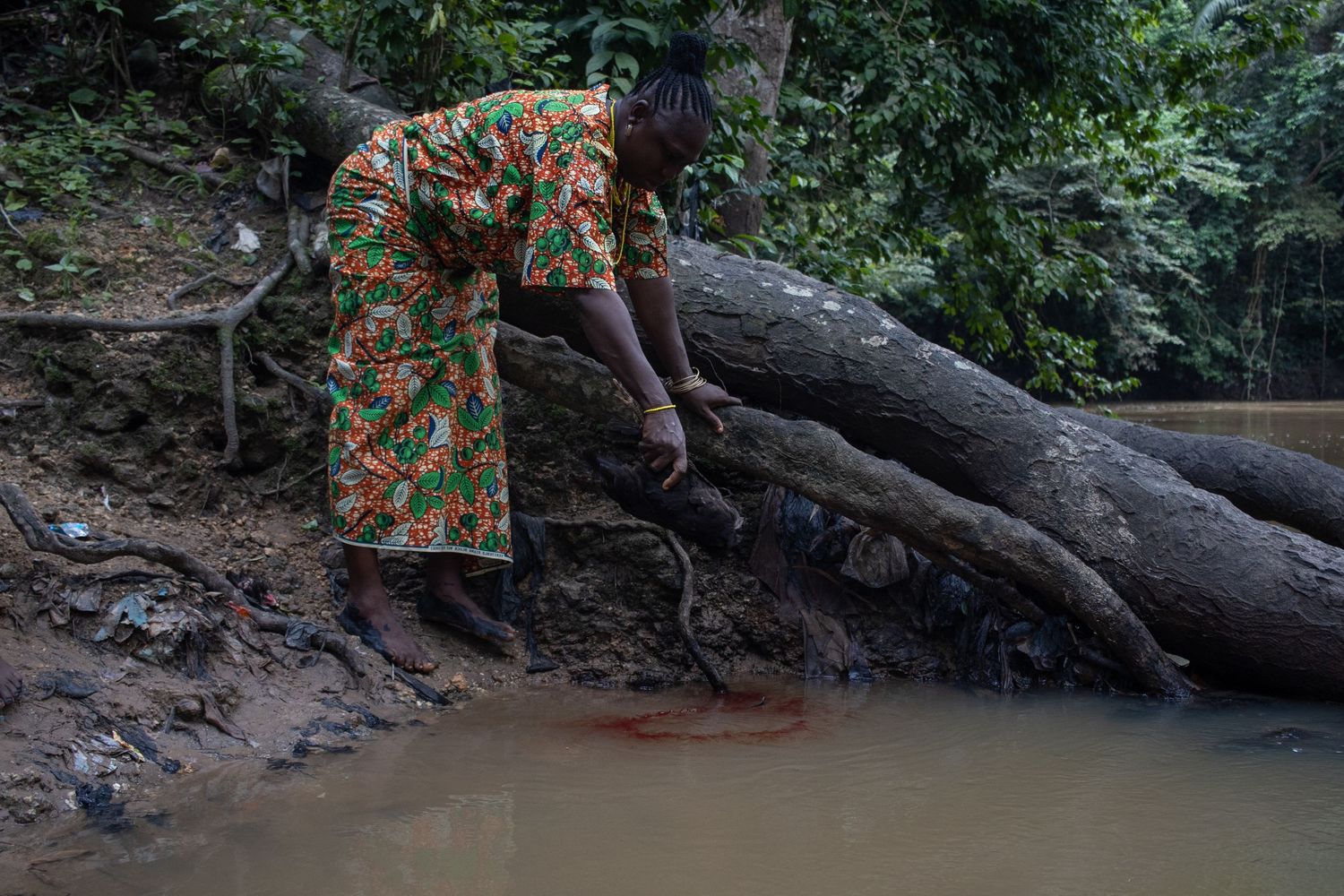
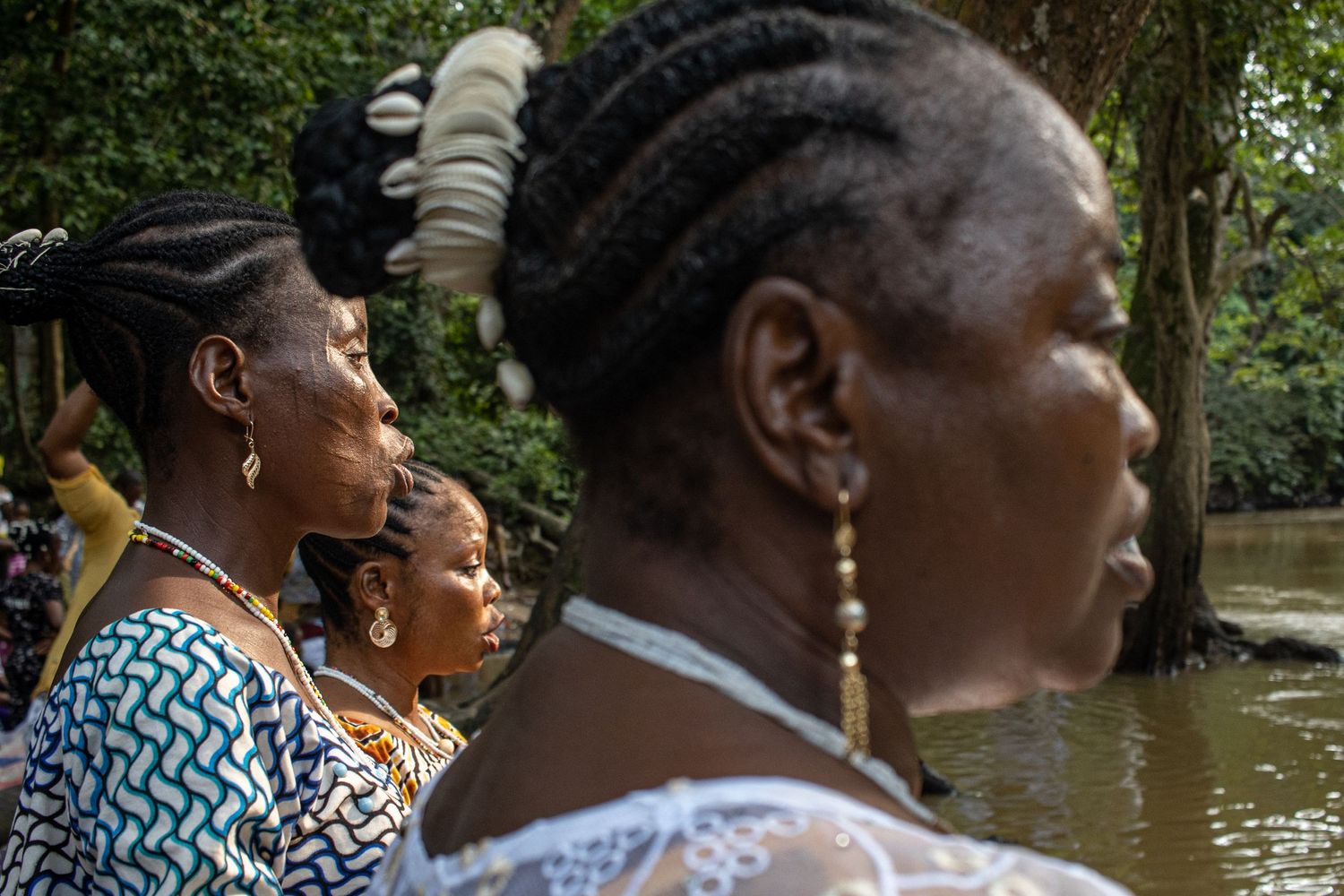
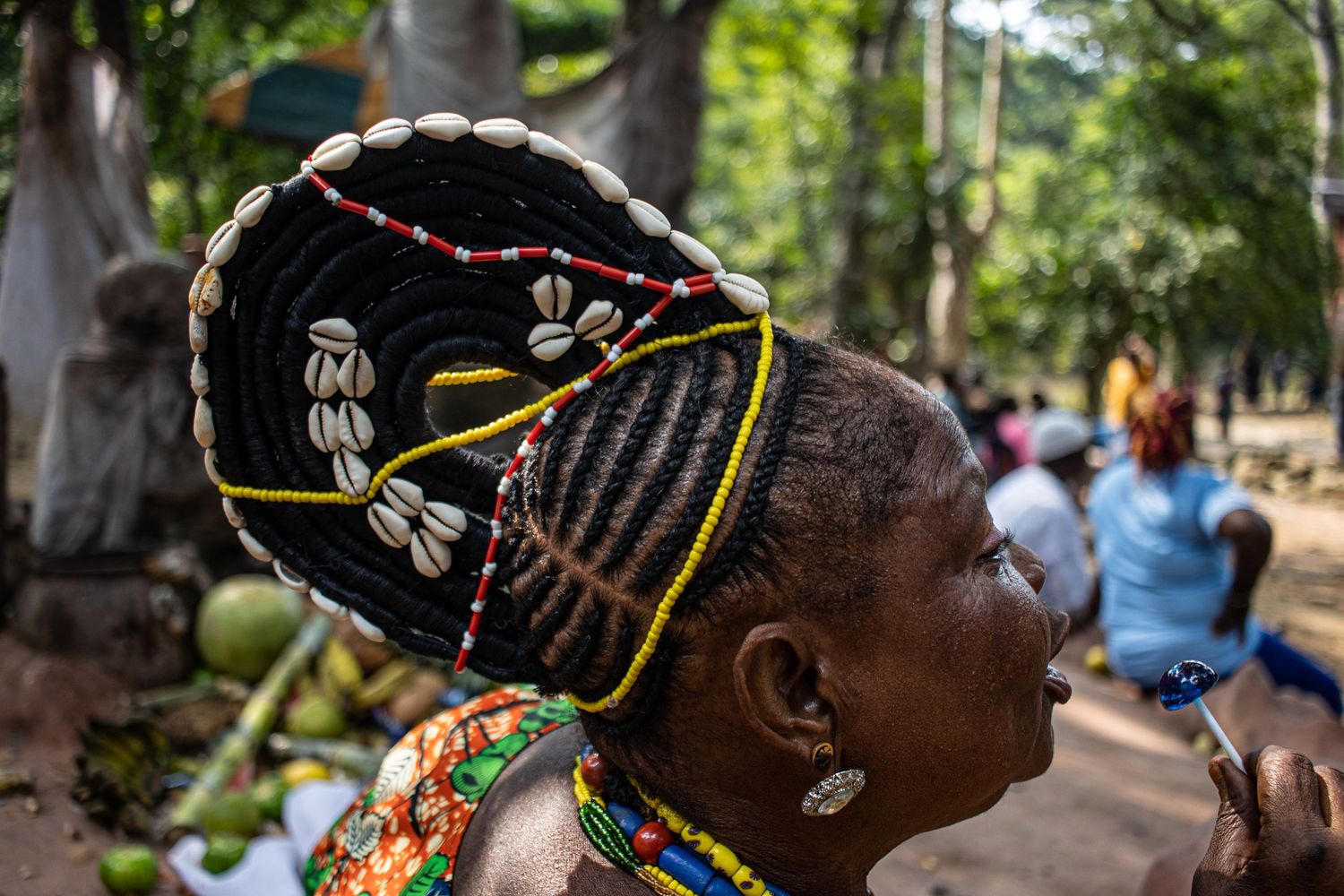
Every August, the echoes of an age-old ritual resound through the air in this historic tapestry of religion and celebration. It is not unlike a child crying out to their mother, a heartfelt plea for understanding, guidance, and protection. They believe she whispers to them with her flow of the river as a Mother of all. To some, it’s just a day to celebrate the culture of Yoruba rooted but to a lot, it’s an act of profound religious devotion. The flowing waters of Osun hold sacred significance, embodying a divine force that bestows solace, healing, and blessings. Immersed in its cool embrace, believers find respite from the burdens of life—a sacred communion between mortal and divine through bathing, washing, or partaking in the consecrated water.

Beyond its spiritual significance, the Osun festival stands as a vibrant testament to Nigeria's rich cultural heritage, beckoning visitors from far and wide.